

TL;DR

- Smart ring company Oura has introduced two new cardiovascular fitness features: Cardio Effort and automated VO2 Max tracking.
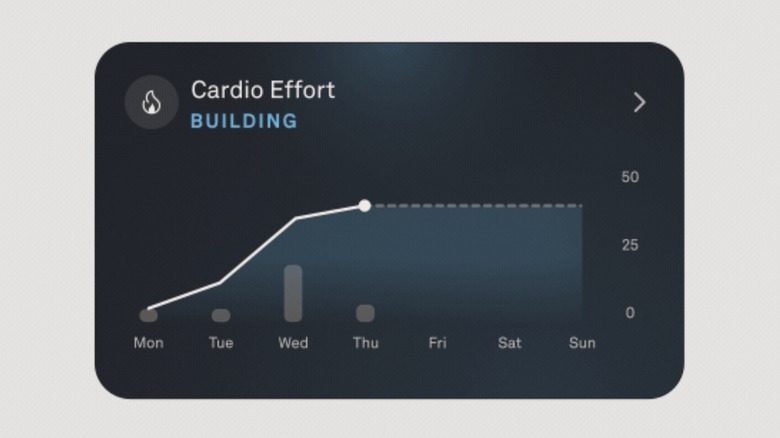
- Cardio Effort evaluates workout strain across five personalized ranges based on the Training Impulse method.
- VO2 Max calculations are now estimated passively during GPS-enabled workouts, removing the previous six-minute walking test requirement.
- Automatic VO2 Max data will be available in Oura Labs for third-generation Oura Rings and subsequent models.
Smart ring maker Oura announced that it is adding two new fitness features to its platform: Cardio Effort and automatic VO2 Max estimations. The rollout expands the wearable brand's capabilities in cardiovascular monitoring, delivering deeper insights into user exertion and aerobic capacity.
According to the company, these additions further build out its offerings for holistic health data, bringing metrics long common on fitness watches into the compact ring form factor.
Cardio Effort: Measuring Physical Strain Across Five Tiers

The first new addition is Cardio Effort, an assessment that measures how much physical strain the wearer puts on their body during activity. The metric is personalized and tracks how a user's activity levels throughout the week compare against their personal baseline.
Cardio Effort provides wearer feedback across five defined ranges:
- Light: Physical exertion below the individual's typical baseline.
- Fair: Moderate strain that keeps the body moving without heavy stress.
- Maintaining: Exertion levels that preserve existing cardiovascular conditioning.
- Building: Workouts that challenge the cardiovascular system to increase fitness.
- Reaching: Peak physical strain that pushes past normal baseline thresholds.
The Science Behind the Metric
Oura stated that Cardio Effort is based on the Training Impulse method. This established methodology evaluates cardiovascular load over time, enabling the smart ring to monitor long-term trends in cardiovascular activity rather than simply recording isolated activity spikes.
Automatic VO2 Max Estimations Replace Manual Walking Tests
The second major capability introduced to the smart ring is automated VO2 Max estimation. Previously offered under the name Cardio Capacity within the experimental Oura Labs section, the metric measures aerobic fitness and the body's capacity to utilize oxygen during exercise.
Under its previous implementation, Cardio Capacity was not automated and required wearers to complete a dedicated six-minute walking test before the metric could be enabled. The updated feature replaces manual testing with passive estimations derived from regular GPS-enabled workouts. Because the ring now calculates the metric passively during outdoor activity, the walking test is no longer needed.
Oura reported that the revised VO2 Max statistics will be available in Oura Labs for the third-generation Oura Ring and later models.
Why It Matters: Bridging the Gap Between Smart Rings and Watches
Historically, wrist-based fitness trackers and smartwatches—such as the Apple Watch and Fitbit devices—have provided users with cardiovascular strain monitoring and VO2 Max metrics. Until recently, smart rings were primarily recognized for sleep tracking and passive recovery analysis.
By integrating automated VO2 Max estimations and baseline-driven strain tracking, Oura addresses a competitive gap in the wearable space. The update offers a viable alternative for fitness-conscious consumers who prefer a lightweight ring form factor over smartwatches or fitness bracelets.
Frequently Asked Questions
What new fitness features did Oura announce?
Oura announced two new cardiovascular fitness features: Cardio Effort, which assesses physical strain relative to an individual's baseline, and automatic VO2 Max estimations.
How does the Cardio Effort metric work?
Cardio Effort is based on the Training Impulse method and monitors long-term cardiovascular activity trends. It measures weekly activity against a user's personal baseline and classifies strain across five tiers: light, fair, maintaining, building, and reaching.
Is the six-minute walking test still required for VO2 Max on Oura Ring?
No. While the feature previously required a six-minute walking test when it was called Cardio Capacity in Oura Labs, the revised VO2 Max now makes passive estimations during regular GPS-enabled workouts.
Which Oura Ring generations support the new VO2 Max estimations?
The automatic VO2 Max stats will be available in Oura Labs for the third-generation Oura Ring and subsequent models.


0 Comments