


TL;DR

- Unlike human motorists who must pass an exam to earn a license, autonomous vehicles currently lack a standardized real-world driving test.
- The National Highway Traffic Safety Administration (NHTSA) has entered an agreement with SAE to establish ASCEND, a government-industry consortium focused on developing data-driven performance metrics.
- Current Federal Motor Vehicle Safety Standards (FMVSS) require manual equipment like steering wheels and pedals, creating regulatory friction for next-generation robotaxis from companies like Zoox and Tesla.
- Federal officials aim to replace an inconsistent patchwork of local and state rules with national standards, though no formal timeline for implementation has been released.
One of the most persistent dilemmas confronting autonomous vehicle developers, government regulators, and the public is establishing an objective threshold for when self-driving technology is safe enough for everyday road deployment. To date, evaluating readiness has largely been left to commercial developers testing autonomous trucks, robotaxis, and potential future passenger vehicles.
While human drivers are required to demonstrate competency through a standardized driver's licensing test before operating a vehicle, no comparable universal benchmark exists for automated driving systems (ADS). Regulators are now moving to address this fundamental oversight.
The Regulatory Gap: Vehicles Designed Without Pedals or Wheels

Automotive safety in the United States is primarily governed by Federal Motor Vehicle Safety Standards (FMVSS). However, these legacy regulations were conceived with human drivers in mind, mandating physical vehicle components such as steering wheels, accelerator pedals, brake pedals, rearview mirrors, and side mirrors.
This traditional framework struggles to accommodate modern autonomous vehicle architectures. Purpose-built robotaxis, such as Zoox's custom autonomous vehicle and Tesla's planned Cybercab, are engineered without steering wheels, pedals, or conventional mirrors. Under the current regulatory structure, vehicles lacking standard human controls operate in a complex compliance environment that requires federal exemptions or tailored updates to federal standards.
NHTSA and SAE Launch the ASCEND Initiative
To establish a clear path forward, the National Highway Traffic Safety Administration announced that it is developing a comprehensive federal automated vehicle framework. As part of this effort, the agency entered into an agreement with SAE (the Society of Automotive Engineers) to launch ASCEND, a joint government-industry consortium tasked with accelerating the creation of data-driven safety and performance standards for autonomous systems.
Speaking at the AI Horizons Summit in Pittsburgh, NHTSA Administrator Jonathan Morrison explained that the agency's goal is to construct a regulatory foundation anchored in safety while avoiding policies that stifle technological development. Morrison noted that federal regulators want to avoid playing "whack-a-mole" with ad hoc policy responses or attempting to speculate on how the technology will evolve.
"Our top priority for this consortium is ADS competency, which will inform and accelerate a corresponding federal motor vehicle safety standard," Morrison said at the summit. "Ultimately, our ADS performance rulemaking will provide federal leadership in this space. By delivering an AV competency standard, we hope we'll be able to address the burgeoning past patchwork of inconsistent state and local level requirements, and continue to encourage American innovation and promote the safe deployment and development of these vehicles on the road."
Moving Beyond a Fragmented Regulatory Patchwork
Currently, autonomous vehicle regulations in the United States are largely defined at the state and municipal levels, resulting in varying requirements across different testing grounds. A uniform federal standard for automated driving competency is intended to provide long-term legal and operational clarity across the entire domestic transportation sector.
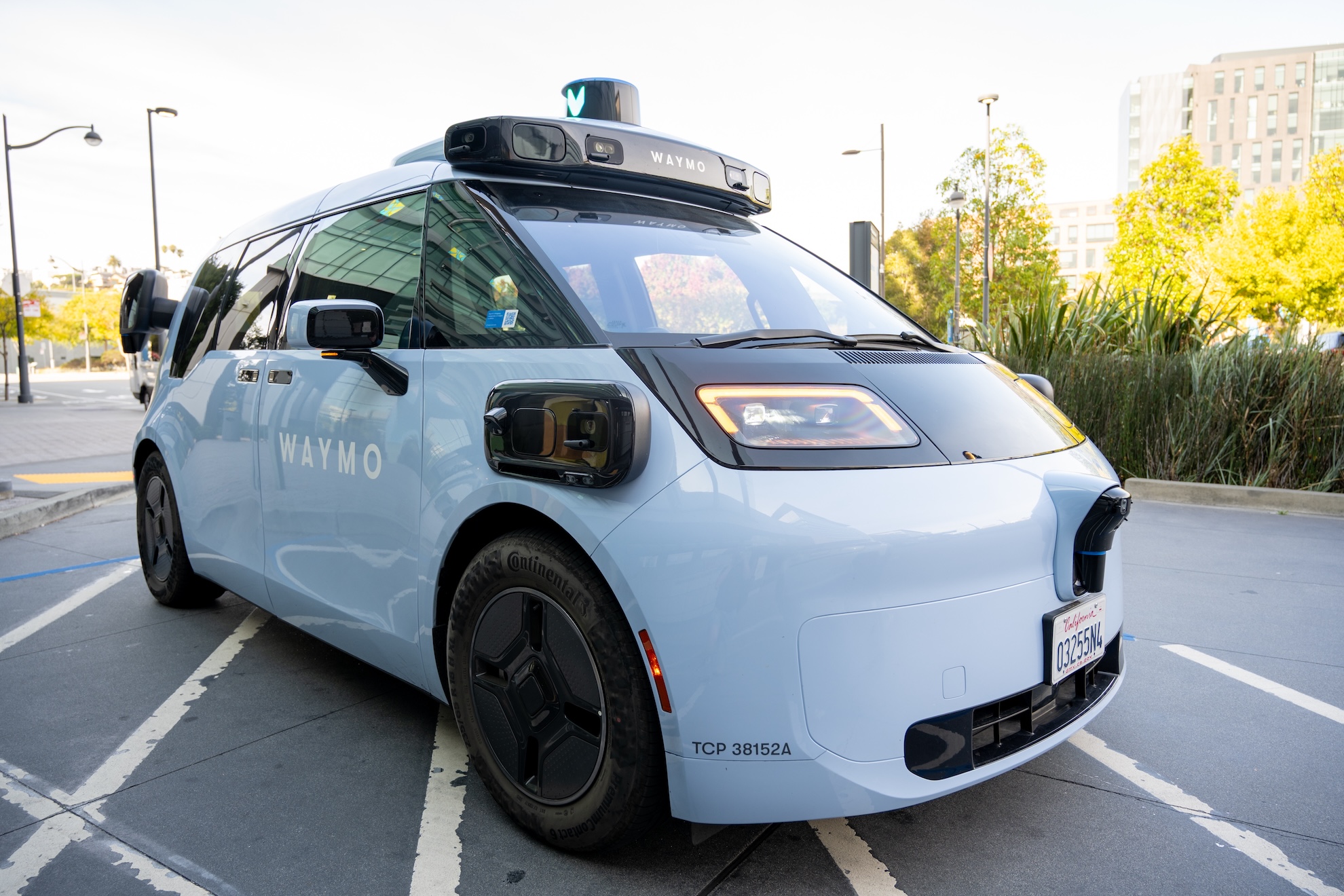
The announcement comes as autonomous mobility programs continue to expand their footprints. Commercial deployments, from Waymo's testing and operational services to Zoox preparing for potential fleet expansion in Las Vegas following the expiration of its initial 100-vehicle cap, underscore the growing presence of driverless fleets on public roads. Meanwhile, other industry players such as May Mobility, Aurora, and Kodiak are targeting public markets or commercial freight routes.
Despite the creation of the ASCEND initiative, the NHTSA has not yet established a formal timeline indicating when the consortium will finalize its ADS performance standards or when corresponding federal safety rules will take effect.
Frequently Asked Questions
Is there currently a standardized safety test for autonomous vehicles in the U.S.?
No. Currently, there is no standardized federal driving test or universal competency examination to evaluate the real-world performance of automated driving systems before commercial deployment.
What is the purpose of the ASCEND consortium?
ASCEND is an initiative formed through an agreement between NHTSA and SAE to develop data-driven performance and competency standards for Automated Driving Systems, providing the technical basis for future federal safety rules.
Why are existing vehicle safety standards inadequate for new robotaxis?
Existing Federal Motor Vehicle Safety Standards (FMVSS) mandate equipment intended for human operators, such as steering wheels, pedals, and side mirrors. Next-generation autonomous vehicles, including models from Zoox and Tesla, are designed without these manual controls.
When will federal automated vehicle safety standards be implemented?
According to federal officials, there is currently no established timeline for when the ASCEND consortium will complete its competency framework or when corresponding federal rulemaking will be finalized.


0 Comments